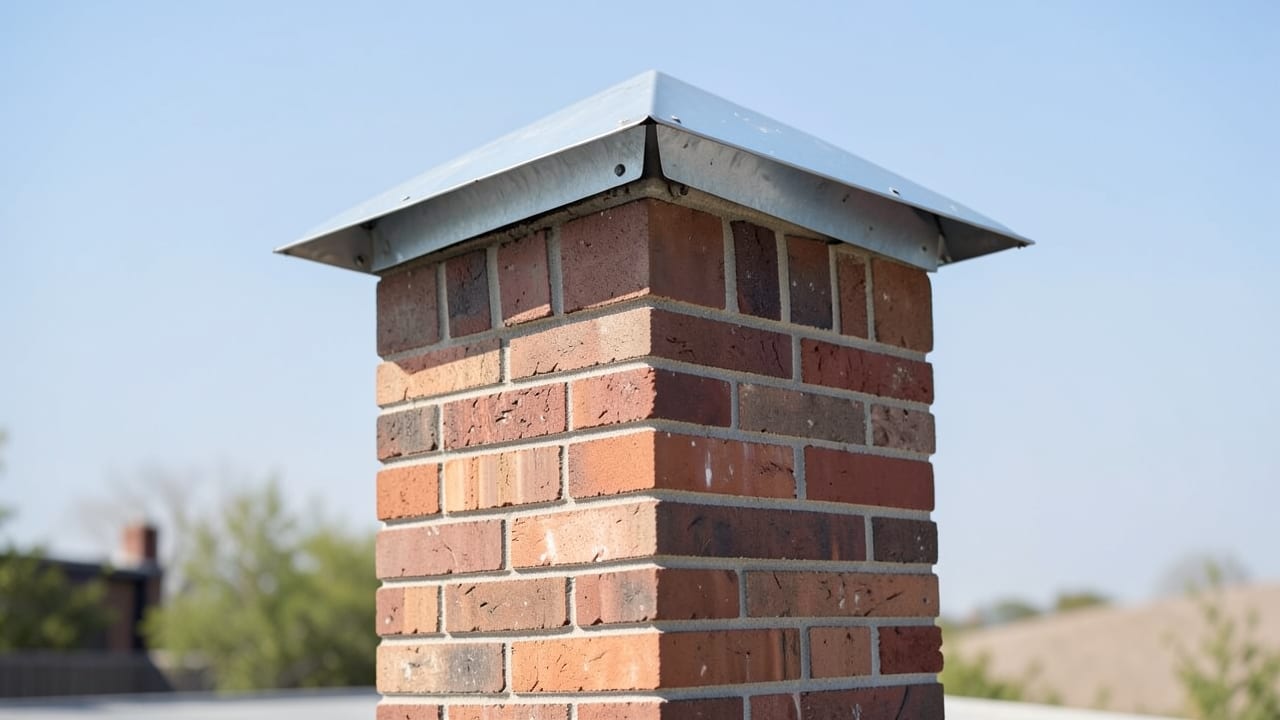
Chimney Exterior Cleaning
Pressure washing to remove soot, dirt, and stains from chimney exteriors.
In Palmetto, FL, chimney exterior cleaning with pressure washing restores the look of your brick, stone, or metal chimney while protecting its structural integrity. Built-up soot, algae, and mineral deposits degrade masonry over time, but careful cleaning at the right pressure prevents further damage to mortar and soft brick.
This service also reveals hidden issues like recessed joints or moisture damage that need attention before they worsen.
We also handle Driveway & Concrete Cleaning and Roof Washing (Soft Wash) for Palmetto properties.
When your chimney needs cleaning
A chimney that looks dirty isn’t just unsightly—it’s a sign of moisture, algae, or mineral buildup that weakens masonry over time. Greenish-black films on shaded sides are algae, while white chalky patches are efflorescence, a mineral deposit from moisture moving through the bricks.
Dark staining concentrated below rooflines or downspouts points to recurring water runoff, which can erode mortar faster than general wear.
Mortar joints that appear recessed or crumble slightly under gentle pressure are already deteriorating. Cleaning these with high-pressure blasts can accelerate erosion, turning a minor repair into a costly repointing job.
If your chimney’s bricks or stone feel soft to the touch or show pitting, a standard pressure wash could damage the surface further. In these cases, a lower-pressure method with masonry-safe chemicals is safer.
Signs Your Chimney Needs Cleaning
- White chalky patches (efflorescence) spreading across brick or stone surfaces
- Greenish-black films (algae or mildew) on shaded or damp sides of the chimney
- Dark staining directly below rooflines, downspouts, or gutters—indicating water runoff
- Mortar joints that look recessed, crumble under light finger pressure, or have lost definition
- Surface pitting or loss of texture on older brick or natural stone
- Visible soot or creosote buildup extending beyond the flue opening onto exterior surfaces
What affects pricing and timing
The size and material of your chimney—brick, stone, or metal—determine the time and technique needed. Brick and stone require lower pressure and careful joint inspection, while metal chimneys may need a different chemical treatment to avoid corrosion.
Accessibility also plays a role; chimneys with complex rooflines, nearby trees, or limited ladder access take longer and may require specialized equipment.
Pre-existing damage, like cracked mortar or soft brick, adds time to the job. If cleaning reveals structural issues, additional repairs may be needed, which should be addressed in a separate scope.
Season also matters: washing masonry right before freezing temperatures risks trapping moisture in the bricks, leading to freeze-thaw cracks. Scheduling in mild weather ensures the chimney dries properly.
| Factor | Impact on Job |
|---|---|
| Chimney Material | Brick/stone: lower pressure, joint inspection. Metal: corrosion-resistant chemicals. |
| Chimney Size/Height | Taller or wider chimneys require more time, equipment, and labor. |
| Accessibility | Complex rooflines or nearby obstacles increase labor and may need scaffolding. |
| Pre-Existing Damage | Crumbling mortar or soft brick adds inspection/repair time to the cleaning scope. |
| Season/Temperature | Avoid washing before freezing temps to prevent moisture trapping in masonry. |
| Efflorescence/Algae Coverage | Heavy buildup requires extra chemical treatment or multiple passes. |
After cleaning: protecting your investment
A thorough chimney cleaning doesn’t just remove dirt—it reveals hidden issues like moisture damage or mortar erosion. After cleaning, the joints are reinspected when wet to spot deterioration that might have been hidden under years of grime.
If mortar is already recessed or crumbling, repointing it during the cleaning process can prevent a larger structural problem later. Redirecting downspouts or gutters away from the chimney also stops recurring staining.
Applying a vapor-permeable sealer after cleaning reduces how much water and dirt the masonry absorbs over time. Unlike non-breathable sealers, these allow existing moisture inside the wall to escape while keeping new moisture out.
Keeping mulch, dense plantings, or vines away from the chimney’s base also cuts down on moisture that fuels algae and efflorescence. These steps help your chimney stay cleaner longer and last longer without costly repairs.
Washing your chimney right before a cold snap can leave moisture trapped in the masonry, leading to freeze-thaw cracks. Always schedule cleaning during mild, dry weather for at least 48 hours of drying time. Using a non-breathable sealer traps moisture inside the bricks, accelerating deterioration—only vapor-permeable sealers are safe for masonry.
How chimney exterior cleaning works
A professional chimney exterior cleaning balances pressure, chemicals, and technique to remove grime without damaging masonry.
- 1Inspect Mortar and Material
The chimney’s brick, stone, or metal surfaces—and especially the mortar joints—are checked for crumbling, recession, or softness. Mortar that’s already deteriorated requires lower pressure to avoid accelerating erosion.
- 2Apply Masonry-Safe Chemicals
Efflorescence and organic stains are treated with a pH-balanced, masonry-safe solution rather than scrubbed off. This prevents pitting in softer brick or stone and ensures the white mineral haze dissolves without damaging the surface.
- 3Clean with Controlled Pressure
Low-to-medium pressure (typically 1,200–2,000 PSI) is used across the face of the bricks or stone, never directly into the mortar joints. The nozzle is held 12–18 inches away to avoid blasting into weak areas, and edges are finished with reduced pressure for detail work.
- 4Rinse and Reinspect Joints
A final rinse clears loosened residue, and the mortar joints are checked again while wet to spot any new signs of deterioration. If joints are crumbling, they may need repointing during the same visit to prevent further damage.
- 5Seal and Maintain
A vapor-permeable sealer is applied to reduce future water and dirt absorption, while downspouts and landscaping are adjusted to minimize recurring moisture against the chimney. This step keeps the chimney cleaner longer and protects against algae and efflorescence.
Frequently asked questions
Will pressure washing damage my chimney’s mortar or brick?
If the mortar is already crumbling or recessed, standard pressure can accelerate erosion. A professional inspects joints first and uses lower pressure or chemical treatments to avoid harming weak areas. Older or softer brick may also pit under high pressure, so the method is adjusted per material.
What’s the difference between efflorescence and regular dirt on my chimney?
Efflorescence is a white, chalky mineral deposit from moisture moving through the masonry, while dirt is surface grime. Efflorescence often appears patchy or spreads across large areas, whereas dirt tends to be darker and concentrated where water runs down. Both need cleaning, but efflorescence requires a chemical treatment to dissolve.
Can I clean my chimney myself, or should I hire a pro?
DIY pressure washing risks damaging mortar, pitting soft brick, or trapping moisture in the masonry—especially if you use the wrong PSI or chemicals. A professional assesses material condition, uses the right pressure and solutions, and reinspects joints to spot hidden damage before it worsens.
Why does my chimney keep getting stained in the same spot?
Recurring stains in one area usually mean water—from a downspout, gutter, or sprinkler—is running directly against the chimney. Redirecting these sources and sealing the masonry afterward can prevent the problem. Heavy mulch or vines at the base also trap moisture, so keeping the area clear helps.
Where Palmetto sits, and what the Census lists nearby
Palmetto sits in Florida, and the closest places listed in the U.S. Census Gazetteer are Memphis (1.8 miles northeast), Bradenton (2.4 miles south), West Bradenton (2.9 miles southwest), Ellenton (3 miles east). Within 25 miles of Palmetto the same source lists 56 distinct incorporated places and census-designated places.
Those figures matter for chimney exterior cleaning because they are straight-line distances between Census coordinate points: road mileage between Palmetto and Memphis runs longer than the 1.8 miles shown, which is why quotes for the same job differ between towns that look close together on a map.
Source: U.S. Census Bureau Gazetteer.
See Rubonia, FL for more, or discover our full Palmetto-area coverage by service type for our complete lineup.
Ready to get started?
Talk to a local pressure washing pro in Palmetto — get a written quote.
Other Pressure Washing Services in Palmetto
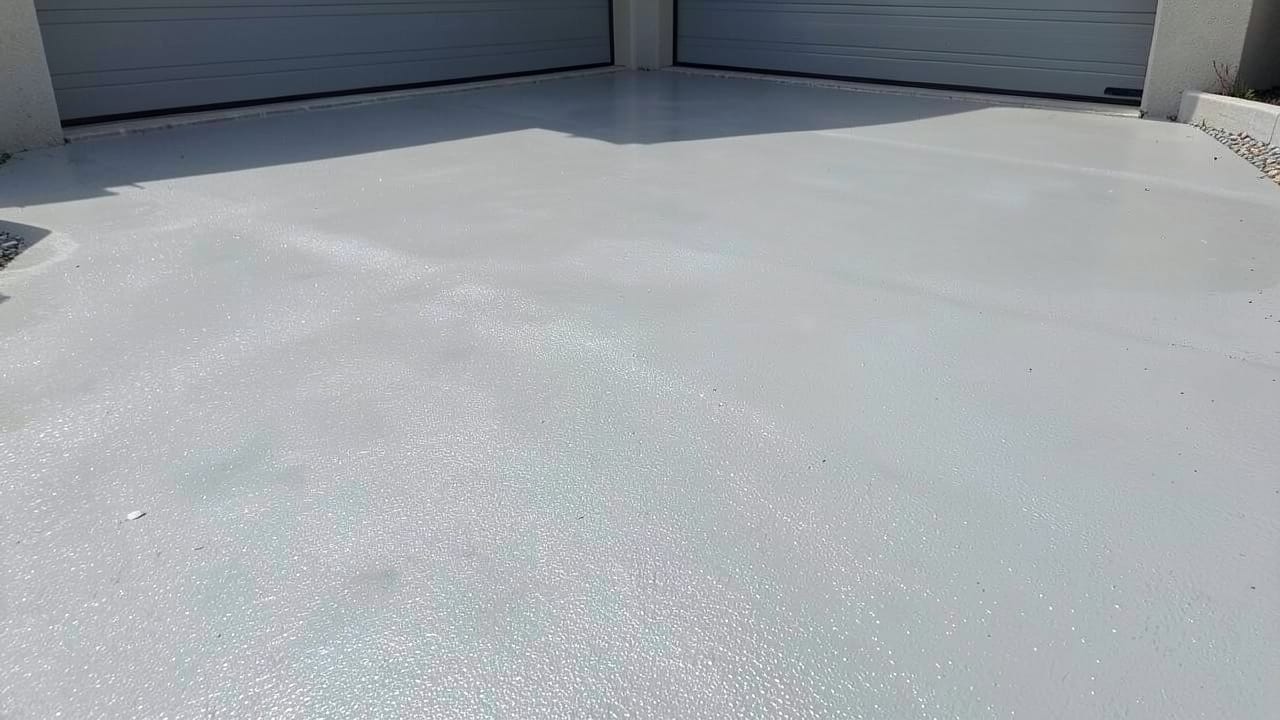
Driveway & Concrete Cleaning in Palmetto, FL
Pressure washing for driveways, walkways, and patios in Palmetto, FL — lifts oil stains, tire marks, and algae and mildew from concrete.
Learn More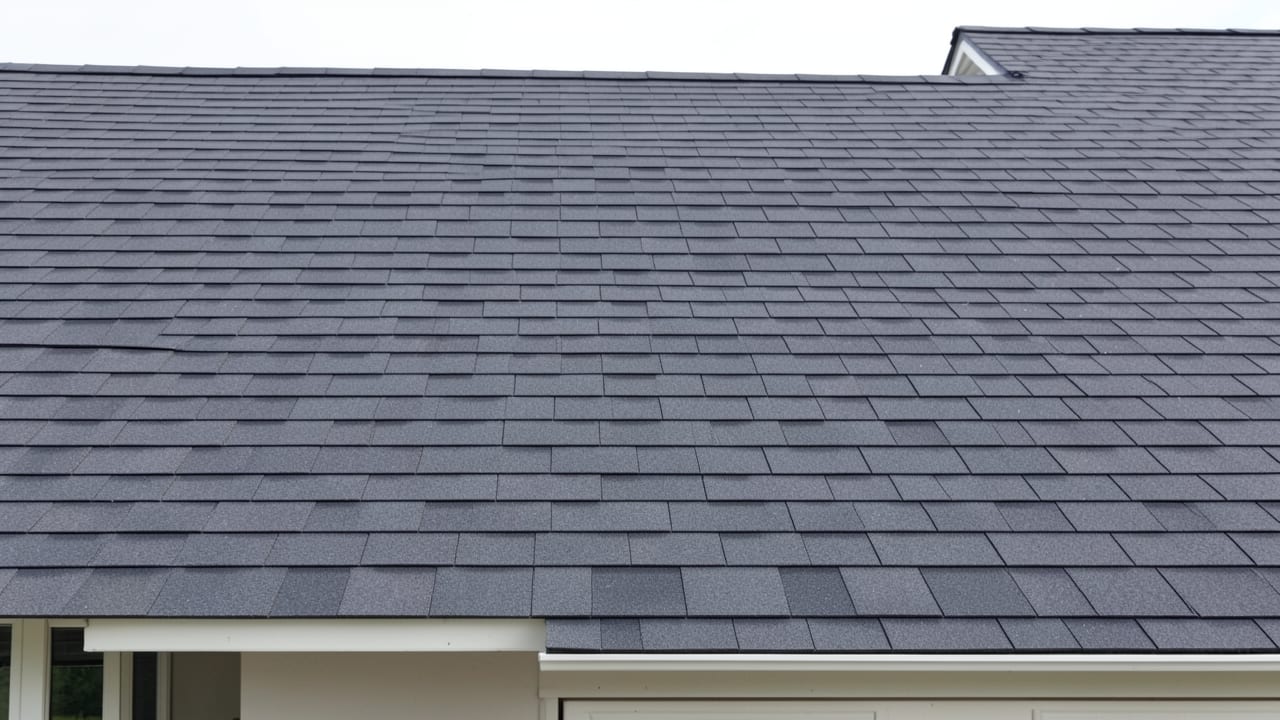
Roof Washing (Soft Wash) in Palmetto, FL
Low-pressure soft-wash roof cleaning in Palmetto, FL removes algae streaks without damaging shingles.
Learn More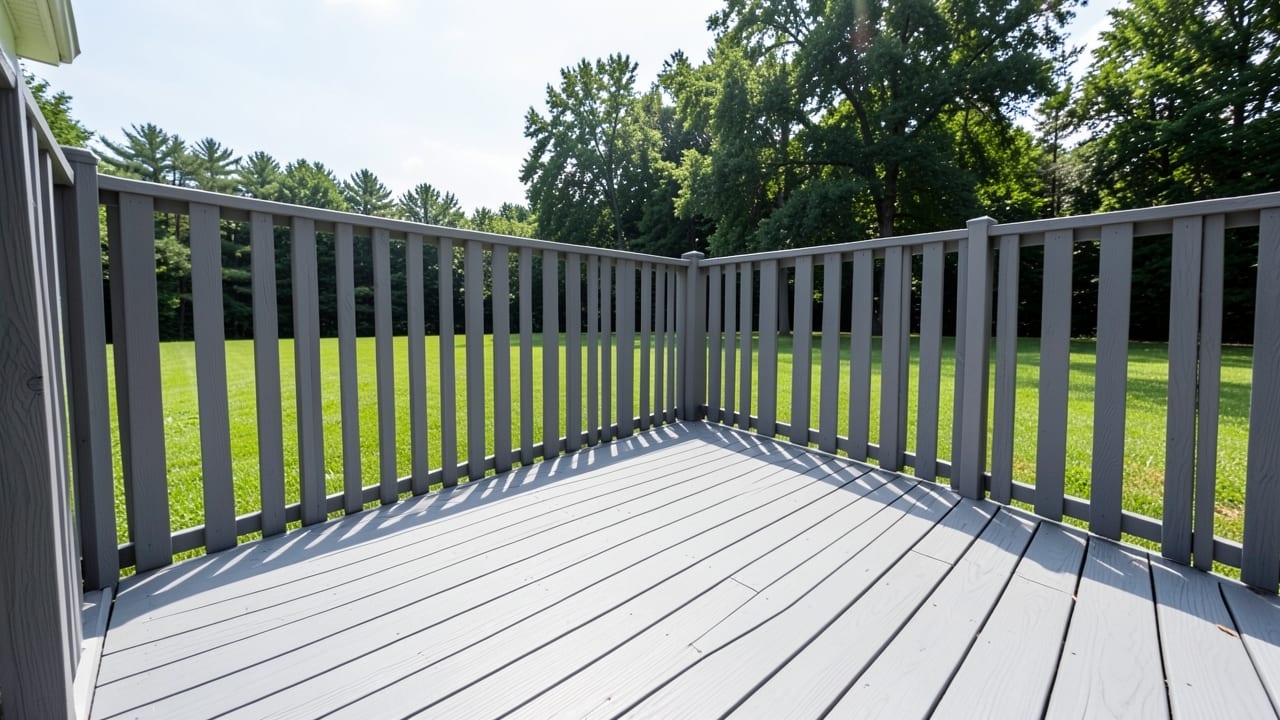
Deck & Fence Cleaning in Palmetto, FL
Wood and composite deck and fence cleaning in Palmetto, FL — restores surfaces before staining or sealing.
Learn More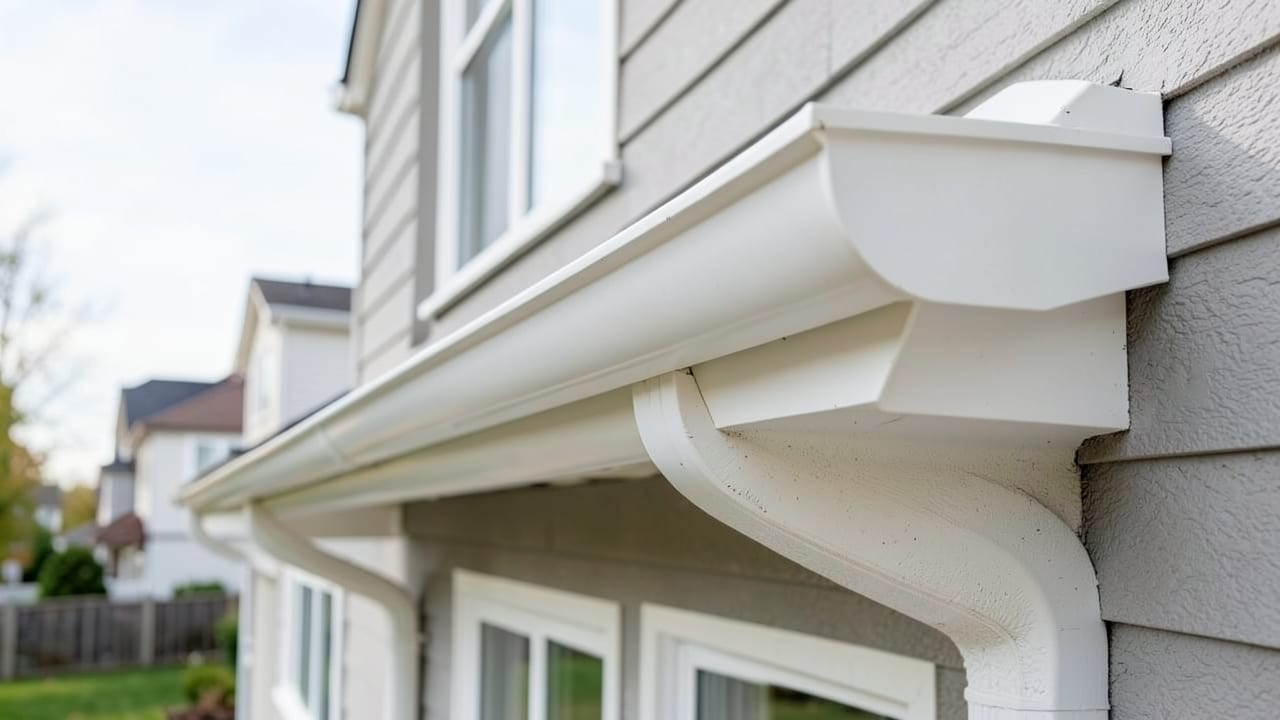
Gutter Cleaning in Palmetto, FL
Gutter and downspout cleaning in Palmetto, FL to clear leaf buildup and keep water flowing away from the foundation.
Learn More
Window Cleaning in Palmetto, FL
Exterior window and window-frame cleaning in Palmetto, FL, often bundled with a full house wash.
Learn More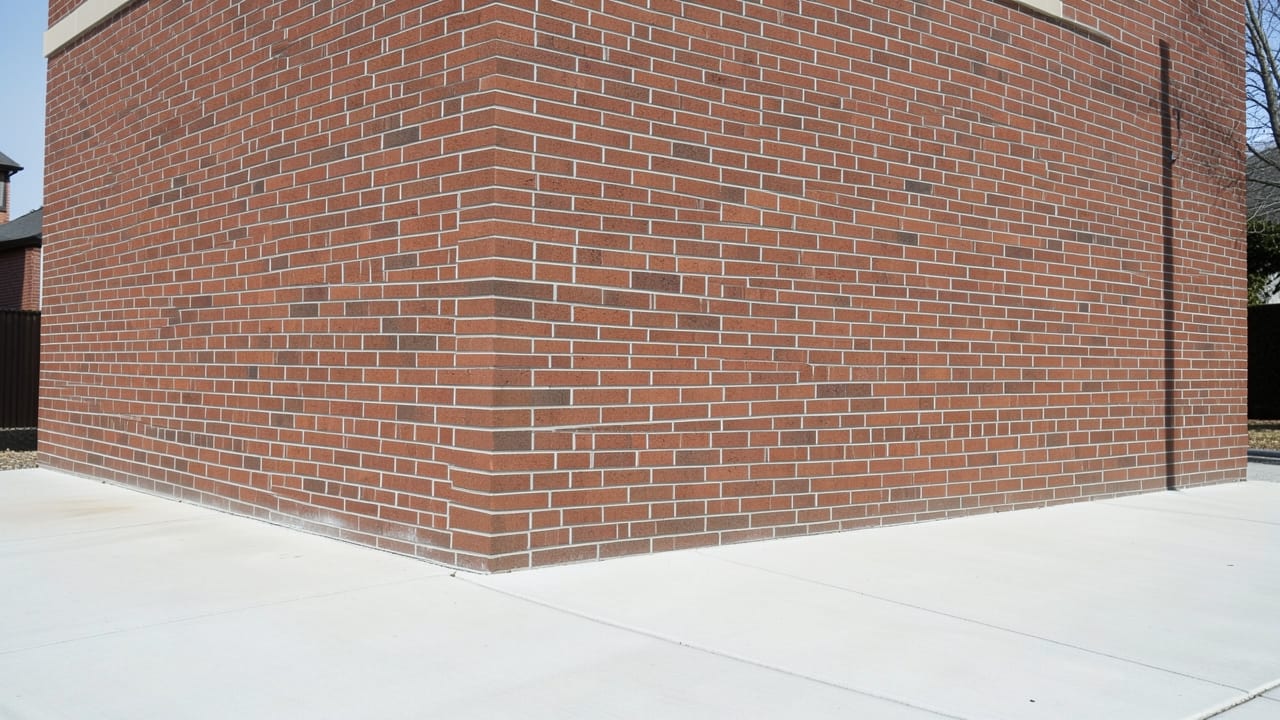
Commercial Pressure Washing in Palmetto, FL
Pressure washing for storefronts, parking lots, and commercial properties in Palmetto, FL.
Learn MoreCommon Questions About Pressure Washing in Palmetto
Everything you need to know about pressure washing services in Palmetto
How much does Chimney Exterior Cleaning typically cost in Palmetto, FL?
Why does algae and mildew growth on homes in Palmetto, FL come back so quickly?
Can the wrong PSI actually damage a house or driveway?
What's the actual difference between pressure washing and soft washing?
How often should a home's exterior actually be washed?
Are the cleaning chemicals used in soft washing safe for landscaping and pets?
Need Pressure Washing in Palmetto?
Get a written quote from our Palmetto crew.
⏰ We answer your call • Serving all of Palmetto and surrounding areas