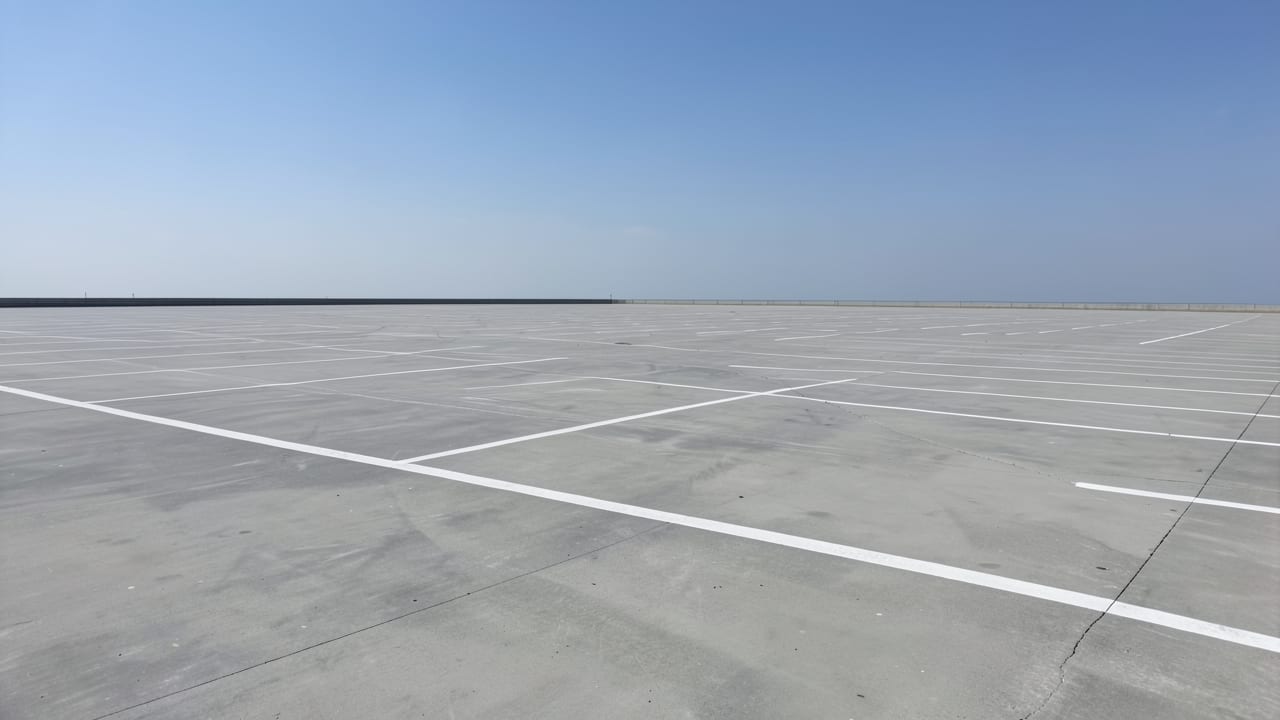
Post-Storm Debris Cleanup
Removal of storm debris from properties using pressure washing equipment.
After storms leave Palmetto, FL, driveways and sidewalks buried under leaves, branches, and debris, high-pressure washing restores safe access and prevents long-term damage. This service clears organic buildup while protecting landscaping and siding from chemical runoff or overspray, ensuring a thorough yet careful cleanup tailored to your home’s needs.
When to call for post-storm debris cleanup
Storm debris isn’t just unsightly—it can trap moisture against your home’s exterior, accelerating mold growth or damaging siding over time. Look for green or black streaks on shaded walls (a sign of algae or mildew) or cobwebs collecting in corners, under eaves, and around light fixtures.
We also handle Mildew Treatment and Stone Cleaning for Palmetto properties.
These areas often show dirt buildup first, well before the rest of your home’s surfaces appear visibly dirty.
A quick test reveals how much cleaning is needed: Run your hand across your siding. If you feel a fine, chalky residue, it’s oxidation or grime.
If you see streaking on light-colored vinyl, it’s likely from uneven cleaning passes. These signs confirm it’s time to act before debris causes hidden structural issues.
Signs You Need Debris Cleanup
- Green or black streaks on shaded walls (algae/mildew buildup)
- Cobwebs or debris collecting in corners, under eaves, or near fixtures
- Chalky residue when running a hand across siding (oxidation/grime)
- Uneven streaking on light-colored vinyl (inconsistent cleaning passes)
- Debris blocking driveways, sidewalks, or gutters after a storm
What affects pricing and timing?
Pricing for post-storm debris cleanup depends on the scope of the job, the surfaces involved, and local conditions. For example, clearing debris from driveways and sidewalks is typically less expensive than cleaning siding, decks, or roofs, which require specialized techniques to avoid damage.
The size of your property and the amount of debris also play a role—heavier storms mean more work.
Timing matters too. Addressing debris immediately after a storm prevents further damage, but scheduling during dry weather ensures the cleaning solution works effectively without leaving moisture trapped against your home.
Always confirm whether the quote includes pre-treatment chemicals, surface protection, and a final inspection—these steps are critical for a thorough cleanup.
Protecting your home during cleanup
Before any high-pressure washing begins, landscaping near your home’s foundation is wetted down and covered to prevent chemical runoff from damaging plants.
Exterior outlets and fixtures are bagged to avoid overspray, and a cleaning solution formulated for your siding material (vinyl, wood, stucco, or fiber cement) is applied at low pressure to break down algae and mildew chemically—not physically.
The rinse process uses low pressure (under 500 psi) with a wide-fan tip, working top to bottom in overlapping passes. This method prevents streaking and ensures even coverage. Stubborn stains get a second, concentrated pass rather than higher pressure, which can force water behind siding seams and cause hidden damage.
Using high pressure on siding can crack stucco, split vinyl seams, or strip factory finishes. Aiming a wand directly into seams forces water behind panels, leading to mold or rot. Always confirm the PSI and method (pressure vs. soft wash) for each surface in your quote.
How post-storm debris cleanup works
A thorough cleanup protects your home and restores its appearance safely.
- 1Surface and Plant Protection
Landscaping near the foundation is wetted down and covered, and exterior outlets or fixtures are bagged to prevent chemical runoff or overspray damage.
- 2Detergent Pre-Treatment
A cleaning solution formulated for your siding material (vinyl, wood, stucco, or fiber cement) is applied at low pressure to break down algae and mildew chemically.
- 3Soft-Wash Rinse
The siding is rinsed at low pressure (under 500 psi) with a wide-fan tip, working top to bottom in overlapping passes for even coverage.
- 4Spot Treatment
Areas with heavy algae or mildew get a second, concentrated pass instead of higher pressure, which can force water behind siding seams.
- 5Final Rinse and Inspection
A clear-water rinse removes detergent residue, and the finished siding is checked for missed spots or damage in daylight.
Frequently asked questions
How do I know if my siding needs cleaning after a storm?
Check for green or black streaks on shaded walls (algae/mildew), cobwebs in corners, or a chalky residue when running your hand across the surface. These signs indicate it’s time for a cleanup before debris causes hidden damage.
Will pressure washing damage my siding or landscaping?
No, if done correctly. A professional uses low pressure (under 500 psi) and protects landscaping with coverings. Always confirm the method (soft wash vs. pressure wash) and PSI for your siding material in your quote.
How long does post-storm debris cleanup take?
The time depends on the size of your property and the amount of debris. Driveways and sidewalks clear quickly, while siding or roof cleaning may take longer due to pre-treatment and rinsing steps. A professional will provide an estimate during your quote.
Can I clean the debris myself, or should I hire a professional?
DIY cleanup risks damaging siding with improper pressure or chemicals. Professionals use the right equipment, detergents, and techniques to clean safely without causing hidden issues like water intrusion or mold.
Where Palmetto sits, and what the Census lists nearby
Palmetto sits in Florida, and the closest places listed in the U.S. Census Gazetteer are Memphis (1.8 miles northeast), Bradenton (2.4 miles south), West Bradenton (2.9 miles southwest), Ellenton (3 miles east). Within 25 miles of Palmetto the same source lists 56 distinct incorporated places and census-designated places.
Those figures matter for post-storm debris cleanup because they are straight-line distances between Census coordinate points: road mileage between Palmetto and Memphis runs longer than the 1.8 miles shown, which is why quotes for the same job differ between towns that look close together on a map.
Source: U.S. Census Bureau Gazetteer.
See West Bradenton, FL for more, or check out the pressure washing work we do around Palmetto at a glance for our complete lineup.
Ready to get started?
Talk to a local pressure washing pro in Palmetto — get a written quote.
Other Pressure Washing Services in Palmetto
Mildew Treatment in Palmetto, FL
Professional pressure washing to remove mildew from exterior surfaces like siding, decks, and fences.
Learn More
Stone Cleaning in Palmetto, FL
High-pressure washing to remove dirt, grime, and stains from stone surfaces like driveways and patios.
Learn More
Patio Cleaning in Palmetto, FL
High-pressure washing to remove dirt, grime, and stains from patios, restoring their appearance.
Learn More
Sidewalk Cleaning in Palmetto, FL
High-pressure washing to remove dirt, grime, and stains from sidewalks and walkways.
Learn More
Warehouse Cleaning in Palmetto, FL
High-pressure cleaning of warehouse interiors and exteriors to remove dirt, grime, and debris.
Learn More
Playground Equipment Cleaning in Palmetto, FL
Pressure washing to remove dirt, grime, and mold from playground equipment for safety and hygiene.
Learn MoreCommon Questions About Pressure Washing in Palmetto
Everything you need to know about pressure washing services in Palmetto
How much does Post-Storm Debris Cleanup typically cost in Palmetto, FL?
Why does algae and mildew growth on homes in Palmetto, FL come back so quickly?
What's the actual difference between pressure washing and soft washing?
How often should a home's exterior actually be washed?
Are the cleaning chemicals used in soft washing safe for landscaping and pets?
Would home insurance cover damage caused by improper pressure washing?
Need Pressure Washing in Palmetto?
Get a written quote from our Palmetto crew.
⏰ We answer your call • Serving all of Palmetto and surrounding areas