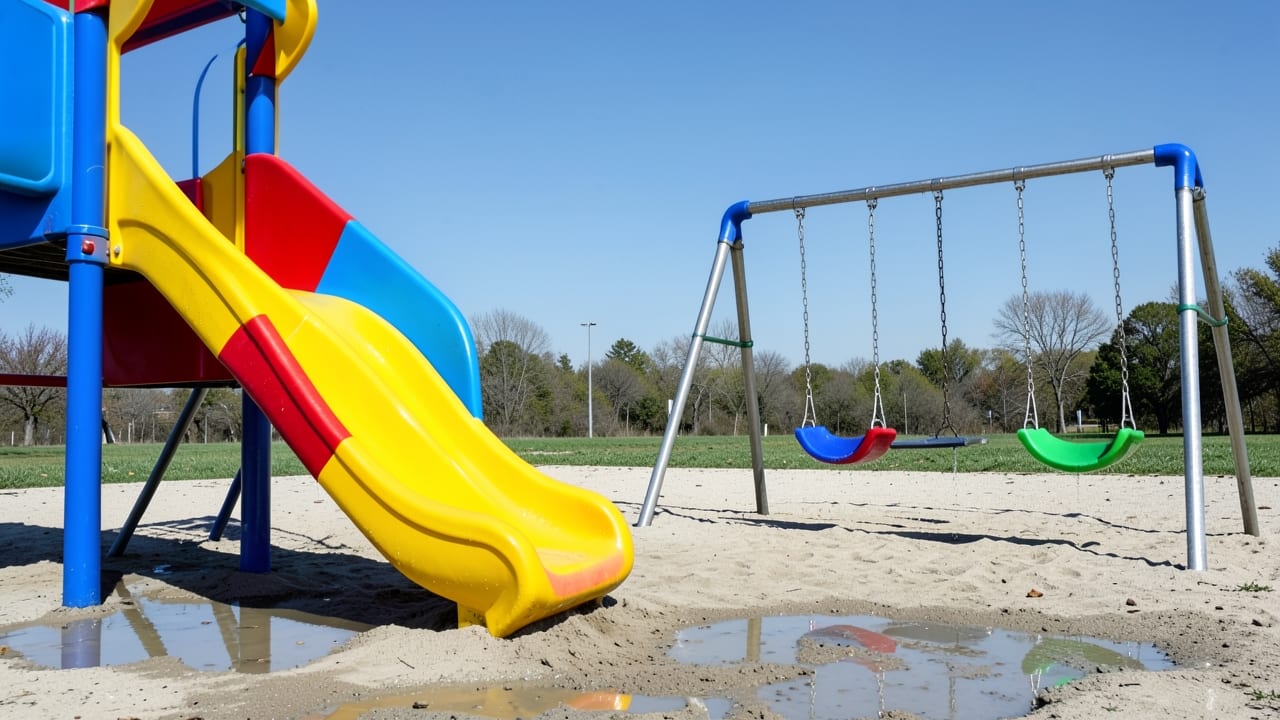
Playground Equipment Cleaning
Pressure washing to remove dirt, grime, and mold from playground equipment for safety and hygiene.
Playground equipment cleaning in Palmetto, FL, uses high-pressure water to remove dirt, algae, and contaminants from slides, swings, and climbing structures, ensuring a safe, hygienic play environment for children. This process targets hard-to-reach areas where grime accumulates, restoring surfaces without harsh chemicals.
Local providers prioritize surface and plant protection to minimize runoff and overspray damage to nearby landscaping and fixtures.
We also handle Deck & Fence Cleaning and Gutter Cleaning for Palmetto properties.
When playground equipment needs cleaning
Playground surfaces often show gradual buildup that’s easy to overlook until it becomes noticeable. Green or black streaking on shaded sides of equipment, especially on metal or plastic components, is a sign of algae or mildew.
These stains spread steadily if left untreated, making early intervention key to preventing deeper contamination.
Cobwebs, dirt, and insect debris collecting in corners, under eaves, or around light fixtures are early warning signs. These areas trap grime and can harbor bacteria or mold if not addressed.
A quick visual check—comparing clean patches (like under a covered swing seat) to exposed surfaces—reveals how much the rest of the equipment has dirtied over time.
Signs Your Playground Equipment Needs Cleaning
- Green or black streaking on shaded or metal surfaces (algae/mildew)
- Cobwebs or debris accumulating in corners, under structures, or around fixtures
- Chalky residue when running a hand across surfaces (oxidation or grime buildup)
- Visible mold or stains that don’t wipe away with a damp cloth
- Equipment feels slippery or sticky to the touch
What affects cleaning costs and timing
Playground equipment cleaning in Palmetto is typically priced per project after a walkthrough, not by a flat rate. Factors like the size of the play area, material types (metal, plastic, wood), and accessibility of structures influence the total cost.
For example, a small backyard playset with basic swings and slides will cost less than a large community playground with climbing structures and multiple slides.
Scheduling around family routines is common, as most homeowners prefer cleaning when children aren’t playing. Providers often recommend early mornings or weekends to minimize disruption. Additionally, weather conditions—such as humidity or recent rain—can affect drying time and the effectiveness of the cleaning process.
Safety and surface protection
Before any pressure washing begins, landscaping near the foundation is wetted down and covered to prevent runoff or overspray from damaging plants or siding. Exterior outlets, fixtures, and nearby surfaces are also bagged or shielded.
This step is critical because cleaning solution runoff causes more complaints than the wash itself, especially in residential areas.
The process uses a detergent pre-treatment formulated for the equipment’s material—whether metal, plastic, or wood—to break down algae and mildew chemically. A soft-wash rinse at low pressure (under 500 PSI) follows, working top to bottom in overlapping passes to avoid streaking or uneven cleaning.
Stubborn stains receive a second, concentrated pass rather than higher pressure, which can damage surfaces or force water into seams.
Never aim a pressure washer directly at seams or joints in playground equipment, as this can force water into cracks and cause long-term structural issues. Always use low pressure (under 500 PSI) for plastic or painted surfaces to prevent stripping or cracking.
How playground equipment cleaning works
A thorough cleaning restores playground surfaces to a safe, hygienic state.
- 1Preparation and Protection
Landscaping near the equipment is wetted and covered, and nearby fixtures or outlets are shielded to prevent damage from runoff or overspray.
- 2Detergent Application
A low-pressure detergent solution is sprayed onto the equipment to break down algae, mildew, and grime without blasting it off immediately.
- 3Soft-Wash Rinse
The equipment is rinsed with low-pressure water (under 500 PSI) in overlapping passes, working top to bottom to ensure even cleaning and avoid streaking.
- 4Spot Treatment
Areas with heavy staining or stubborn grime receive a second, more concentrated detergent pass rather than higher pressure, which can damage surfaces.
- 5Final Rinse and Inspection
A clear-water rinse removes all detergent residue, and the equipment is inspected in daylight for missed spots or damage before the job is complete.
Frequently asked questions
How often should playground equipment be cleaned?
Playground equipment should be cleaned at least twice a year—once in spring and once in fall—to prevent algae, mildew, and grime buildup. More frequent cleaning may be needed if the equipment is shaded, exposed to high humidity, or used daily by children.
Is pressure washing safe for all types of playground equipment?
Pressure washing is safe when done correctly, but the method varies by material. Plastic and painted surfaces require low pressure (under 500 PSI) to avoid damage, while metal structures can often handle slightly higher pressure. Always use a provider experienced with your equipment’s material.
Will cleaning remove rust or peeling paint from metal equipment?
Pressure washing can remove surface rust and loose paint, but it won’t restore severely corroded or peeling areas. If rust or paint damage is extensive, the equipment may need refinishing or replacement after cleaning.
Can I clean the playground equipment myself?
While you can spot-clean surfaces with a hose and mild detergent, professional pressure washing ensures thorough cleaning of hard-to-reach areas and uses the right pressure and chemicals to avoid damage. DIY methods often miss hidden grime or risk harming the equipment.
Where Palmetto sits, and what the Census lists nearby
Palmetto sits in Florida, and the closest places listed in the U.S. Census Gazetteer are Memphis (1.8 miles northeast), Bradenton (2.4 miles south), West Bradenton (2.9 miles southwest), Ellenton (3 miles east). Within 25 miles of Palmetto the same source lists 56 distinct incorporated places and census-designated places.
Those figures matter for playground equipment cleaning because they are straight-line distances between Census coordinate points: road mileage between Palmetto and Memphis runs longer than the 1.8 miles shown, which is why quotes for the same job differ between towns that look close together on a map.
Source: U.S. Census Bureau Gazetteer.
See Ellenton, FL for more, or check out everything Palmetto homeowners can book with us by category for our complete lineup.
Ready to get started?
Talk to a local pressure washing pro in Palmetto — get a written quote.
Other Pressure Washing Services in Palmetto
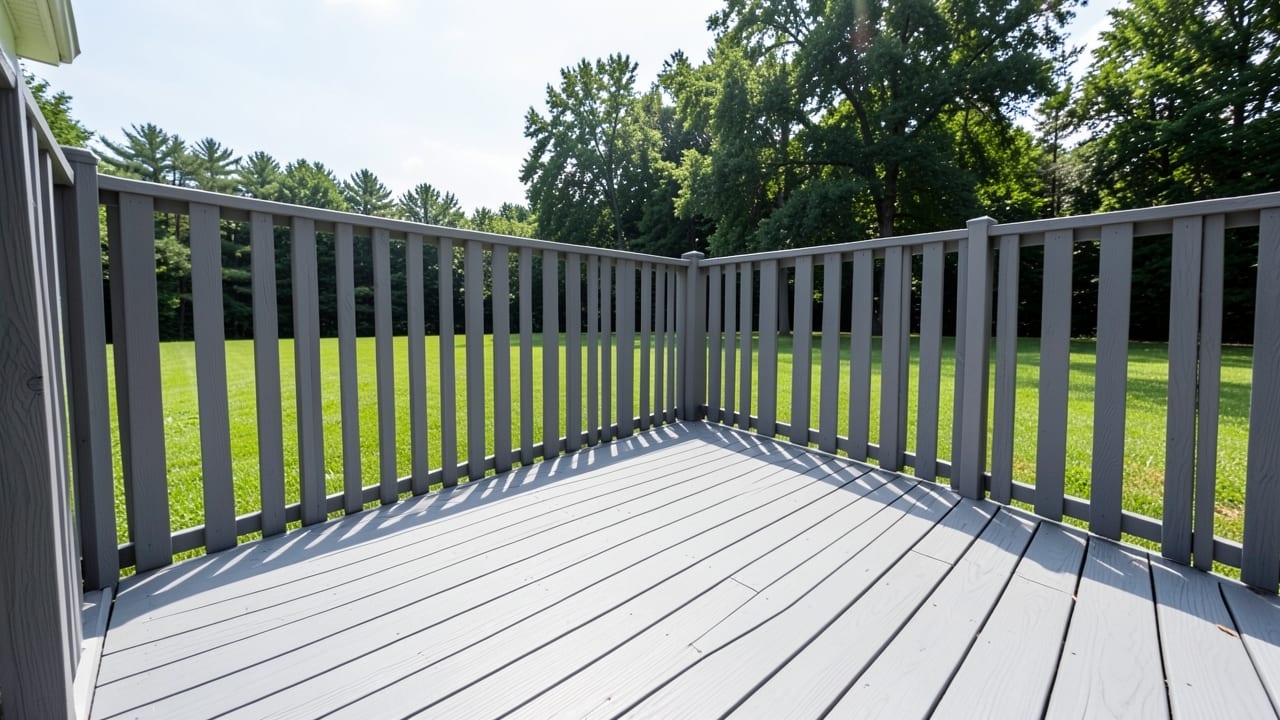
Deck & Fence Cleaning in Palmetto, FL
Wood and composite deck and fence cleaning in Palmetto, FL — restores surfaces before staining or sealing.
Learn More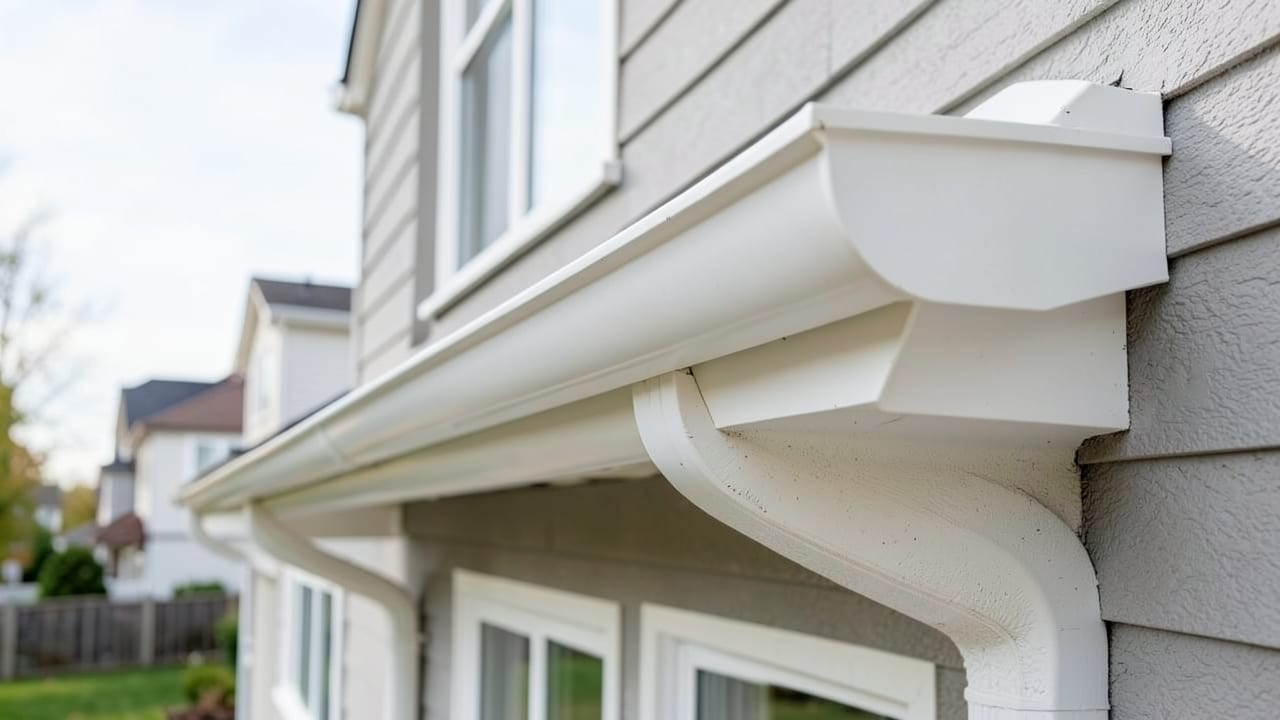
Gutter Cleaning in Palmetto, FL
Gutter and downspout cleaning in Palmetto, FL to clear leaf buildup and keep water flowing away from the foundation.
Learn More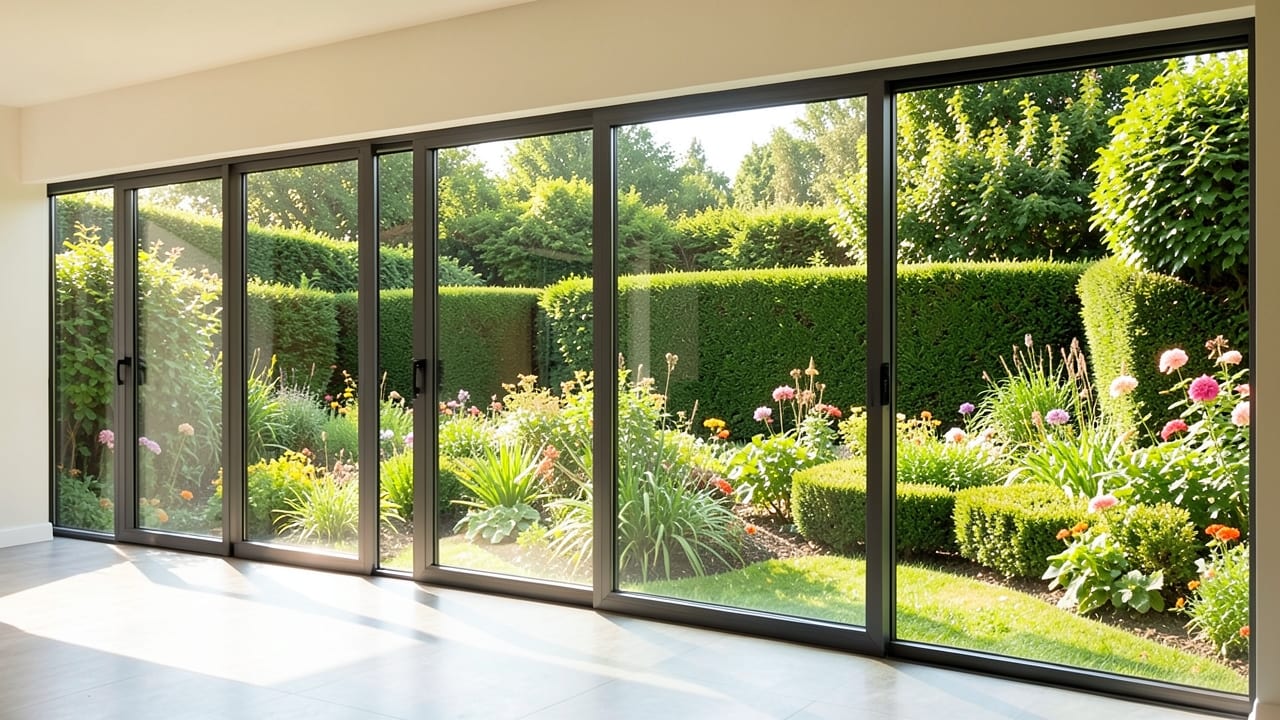
Window Cleaning in Palmetto, FL
Exterior window and window-frame cleaning in Palmetto, FL, often bundled with a full house wash.
Learn More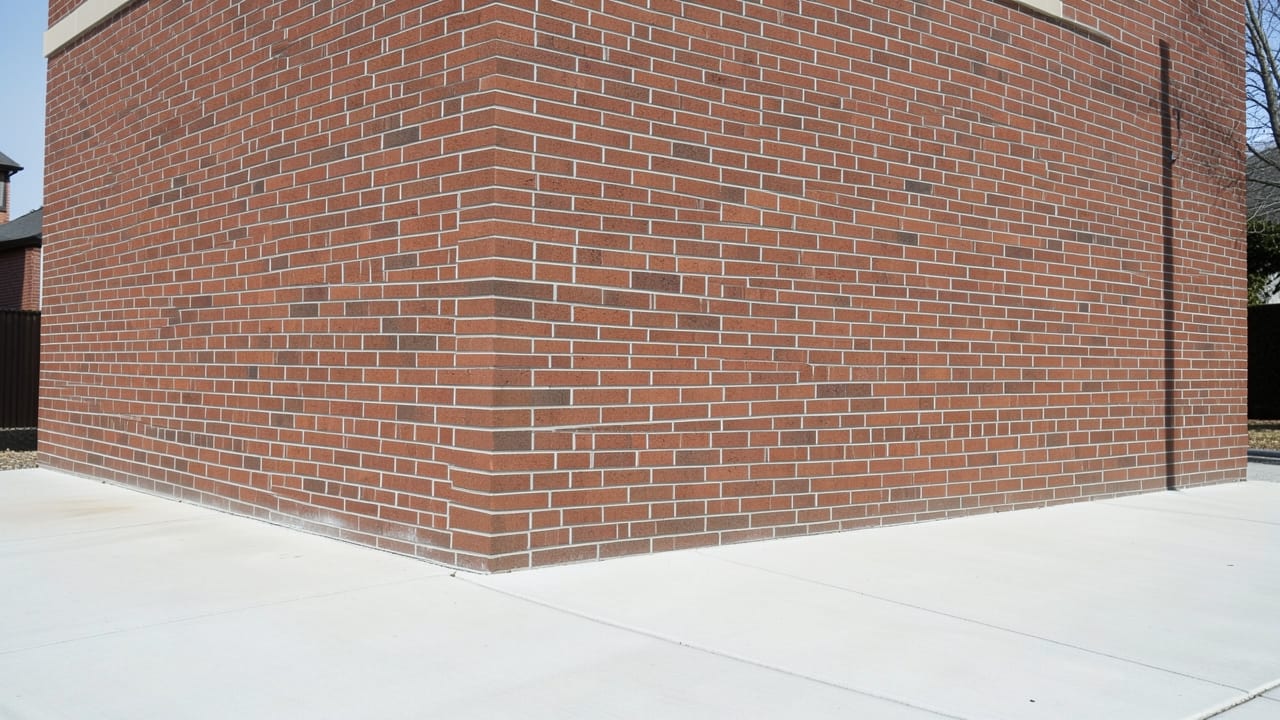
Commercial Pressure Washing in Palmetto, FL
Pressure washing for storefronts, parking lots, and commercial properties in Palmetto, FL.
Learn More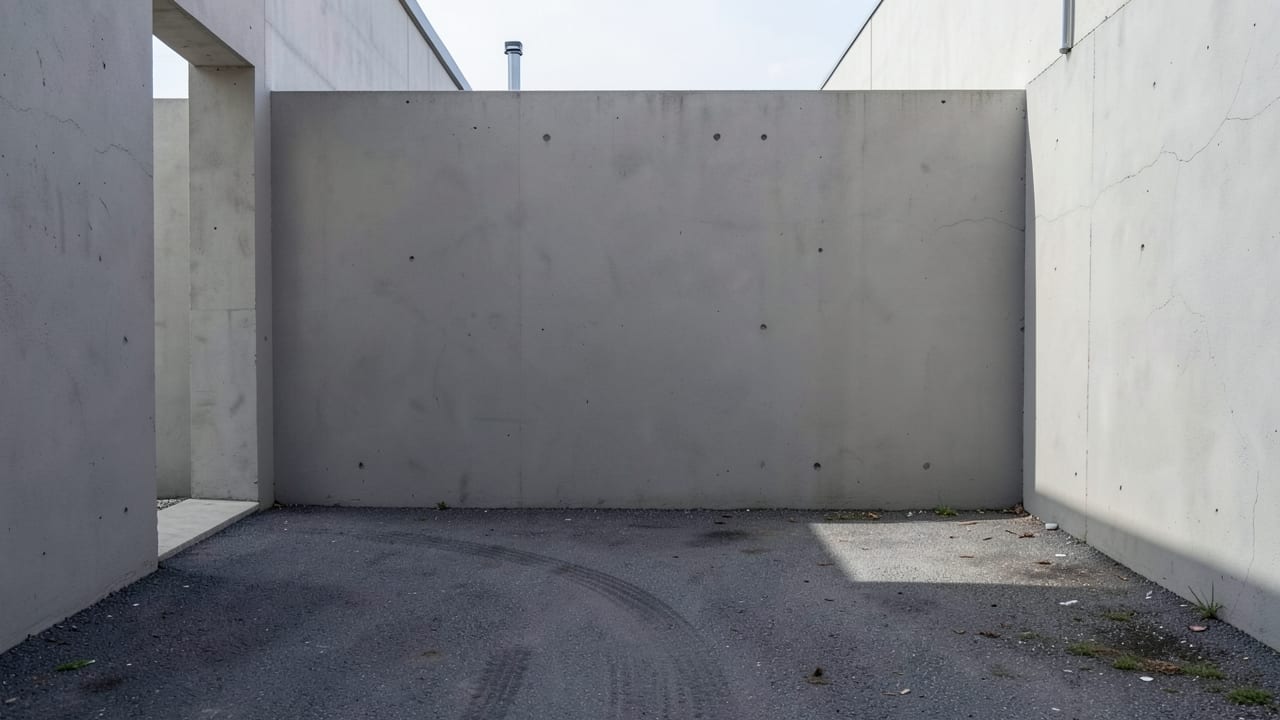
Graffiti Removal in Palmetto, FL
Graffiti removal from exterior walls and surfaces in Palmetto, FL.
Learn More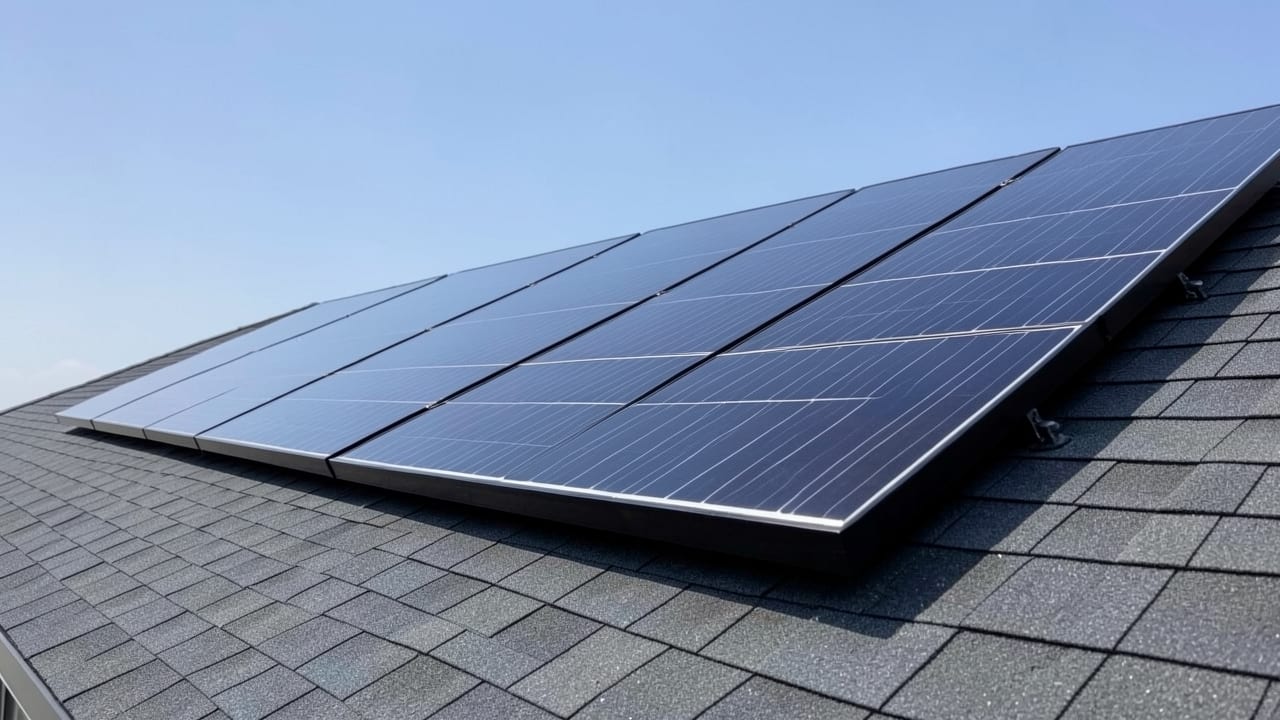
Solar Panel Cleaning in Palmetto, FL
Solar panel cleaning in Palmetto, FL — low-pressure, purified-water rinse that restores panel output without scratching the glass.
Learn MoreCommon Questions About Pressure Washing in Palmetto
Everything you need to know about pressure washing services in Palmetto
How much does Playground Equipment Cleaning typically cost in Palmetto, FL?
Why does algae and mildew growth on homes in Palmetto, FL come back so quickly?
How often should a home's exterior actually be washed?
Are the cleaning chemicals used in soft washing safe for landscaping and pets?
Would home insurance cover damage caused by improper pressure washing?
Can pressure washing strip paint or an existing sealant off a surface?
Need Pressure Washing in Palmetto?
Get a written quote from our Palmetto crew.
⏰ We answer your call • Serving all of Palmetto and surrounding areas